
Introduction
Choosing age-appropriate toys for child development is important for every parent. The right toys help children learn, grow, and have fun. In fact, toys are more than just playthings. They support learning, social skills, and healthy growth. Because each age group has different needs, picking the best toys for child development matters. This guide will help you find safe toys for infants, toddlers, preschoolers, and early school-age children. Along the way, you’ll learn how educational toys by age can boost your child’s skills.
What Are Age-Appropriate Toys?
Age-appropriate toys are play items made for a child’s specific age and stage. These toys match a child’s skills and interests. For example, a soft rattle is perfect for a baby, while a puzzle suits a preschooler. When you choose toys that fit your child’s age, you help them learn safely. Also, these toys keep children interested and challenged. As a result, they support healthy child growth and development.
Why Age-Appropriate Toys Matter for Child Development
Age-appropriate toys help children build new skills. For instance, stacking blocks can teach problem-solving. Meanwhile, musical toys can boost hearing and rhythm. According to the American Academy of Pediatrics, the right toys help children learn language, social skills, and movement. In addition, safe toys for infants and older kids lower the risk of injury. Because children grow quickly, their needs change often. So, updating toys as your child grows is important for their learning and safety.
How to Choose the Right Toys by Age Group
Infants (0-12 months)
Soft rattles and plush toysTeething ringsBrightly colored mobilesMirrors (unbreakable)
For infants, choose toys that are soft, safe, and easy to hold. Because babies explore with their mouths, avoid small parts. In addition, look for toys that make gentle sounds or have different textures. These toys help babies learn about their world.
Toddlers (1-3 years)
Stacking blocksPush and pull toysSimple puzzlesLarge crayons and paper
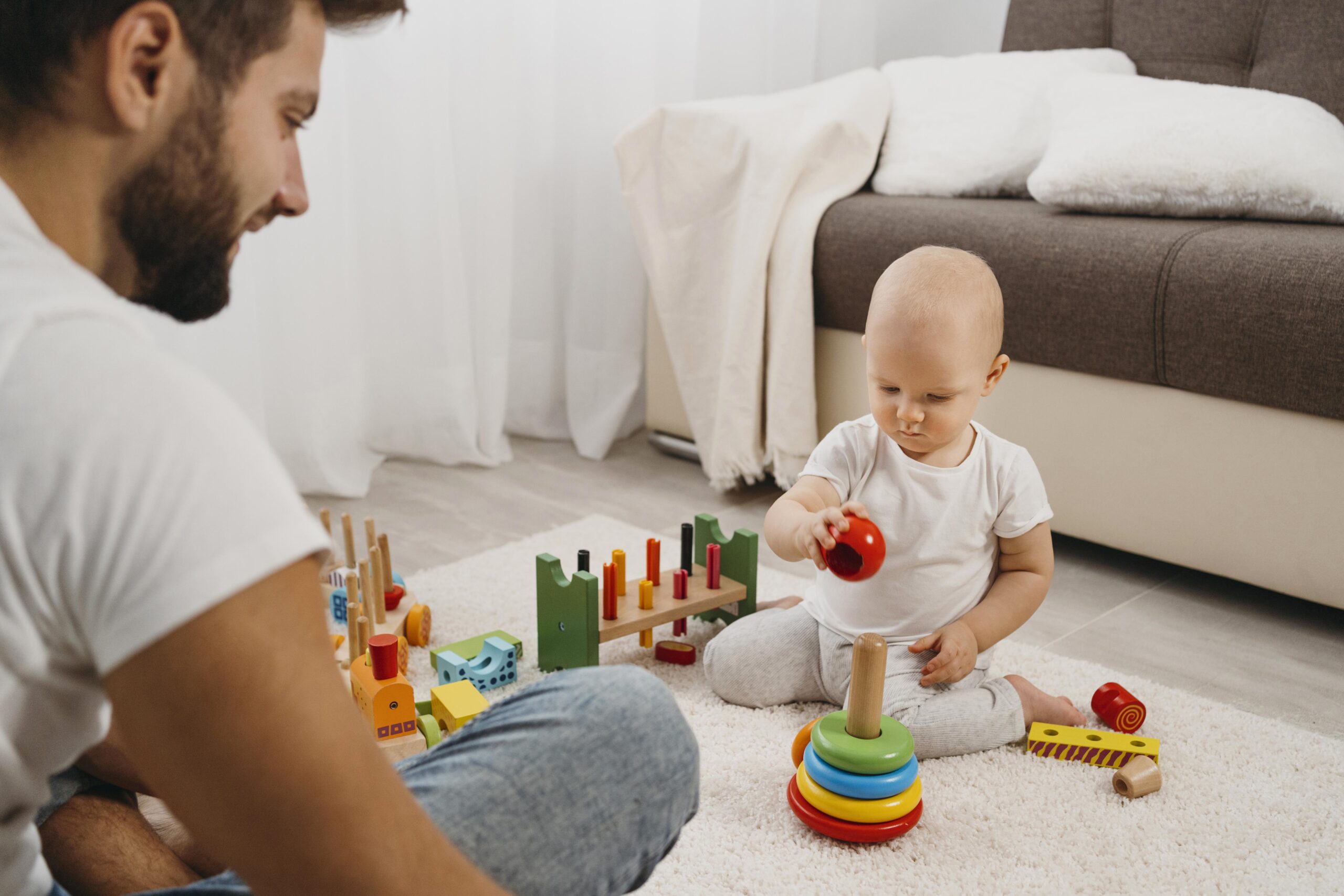
Toddlers love to move and explore. Therefore, pick toys that encourage walking, building, and drawing. Educational toys by age, like shape sorters, help toddlers learn shapes and colors. Always check for sturdy construction and no sharp edges.
Preschoolers (3-5 years)
Building sets (large pieces)Dress-up clothesArt suppliesStorybooks
Preschoolers enjoy pretend play and creative activities. For example, dress-up clothes help with imagination. Art supplies and storybooks support language and fine motor skills. Because children at this age ask many questions, toys that spark curiosity are great choices.
Early School Age (5-7 years)
Board gamesSimple science kitsSports equipment (age-appropriate)More complex puzzles
Children in this group are ready for games with rules and teamwork. Board games teach patience and cooperation. Science kits and puzzles help with problem-solving. In addition, sports equipment supports physical growth and coordination. Always choose child growth toys that match your child’s interests and abilities.
Safety Tips for Selecting Toys
Check age labels on packagingChoose non-toxic materialsMake sure toys have no small, loose parts for young childrenInspect toys for sharp edges or pointsRegularly clean and check toys for damage
Because safety is key, always follow these tips when picking toys. The CDC and WHO recommend checking for recalls and reading safety instructions. If in doubt, ask your pediatrician about safe toys for your child’s age.
Frequently Asked Questions about Toys and Child Development
What are the best toys for child development?Look for toys that match your child’s age and interests. Educational toys by age, like blocks, puzzles, and books, are great choices.Are electronic toys good for young children?Simple, hands-on toys are best for learning. Limit screen time for infants and toddlers, as recommended by the American Academy of Pediatrics.How often should I change my child’s toys?As your child grows, update toys to match new skills. This keeps playtime fun and helps learning.What should I do if a toy breaks?Remove broken toys right away. Broken parts can be a choking hazard or cause injury.
Conclusion
Choosing age-appropriate toys for child development supports learning, safety, and overall growth while encouraging creativity and essential life skills. Since every child develops differently, selecting toys based on age and individual interests is important.
For personalized guidance on your child’s developmental needs, consult Isha Singh for expert advice on choosing the right toys and supporting healthy child development.