
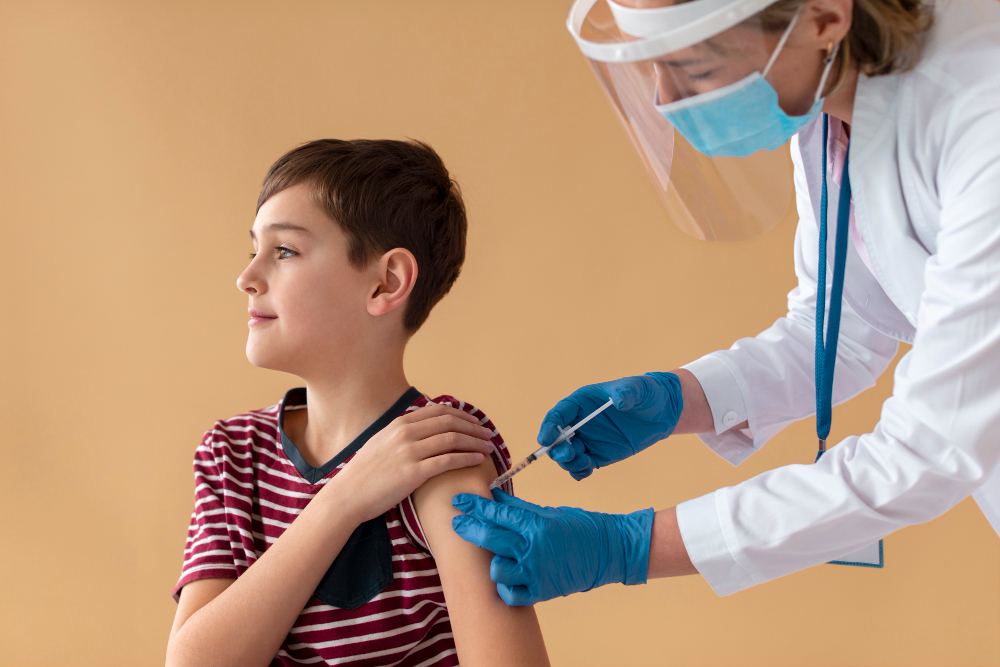
Vaccines in children play a key role in keeping kids healthy. Childhood immunization protects against many serious diseases. Pediatric vaccines are safe, effective, and recommended by health experts. But why do children need vaccines? In this blog, we share five important facts about vaccines in children. These facts help parents make informed choices about their child’s health.
Fact 1: Vaccines Protect Children from Serious Diseases
First, vaccines help prevent many dangerous illnesses. For example, they protect against measles, mumps, and whooping cough. According to the CDC, these diseases can cause severe problems in children. However, vaccines make these illnesses much less common. Because of vaccines, many children avoid hospital stays and long-term health issues. In addition, vaccines help stop the spread of disease in the community.
Fact 2: Childhood Immunization Schedules Are Carefully Tested
Next, the timing of childhood immunization is not random. Health experts, such as the World Health Organization (WHO), study the best ages for each vaccine. They test schedules to make sure they are safe and effective. As a result, children get the right protection at the right time. Following the recommended schedule helps keep your child safe from a young age.
Fact 3: Pediatric Vaccines Are Safe and Closely Monitored
Importantly, pediatric vaccines go through many safety checks before approval. The CDC and FDA watch for any side effects. Most side effects are mild, such as a sore arm or mild fever. Serious reactions are very rare. Because of strict monitoring, vaccines remain one of the safest ways to protect children’s health.
Fact 4: Vaccines Help Protect Others in the Community
Also, when your child gets vaccinated, it helps protect others. This is called herd immunity. If enough people are immune, diseases cannot spread easily. For example, babies who are too young for some vaccines rely on others being protected. So, vaccinating your child helps keep your whole community safer.
Fact 5: Delaying or Skipping Vaccines Increases Health Risks
Finally, delaying or skipping vaccines can put children at risk. Unvaccinated children are more likely to catch and spread diseases. Outbreaks can happen when vaccination rates drop. The CDC warns that even one missed vaccine can leave a child unprotected. Therefore, it is important to follow the recommended vaccine schedule.Vaccines prevent serious diseasesSchedules are based on expert researchVaccines are safe and monitoredVaccination protects the communityDelays increase health risks
In summary, vaccines in children are safe, effective, and vital for good health. For more details, consult your pediatrician at Wellness Kidz and Dental Clinic for personalized vaccine guidance.