
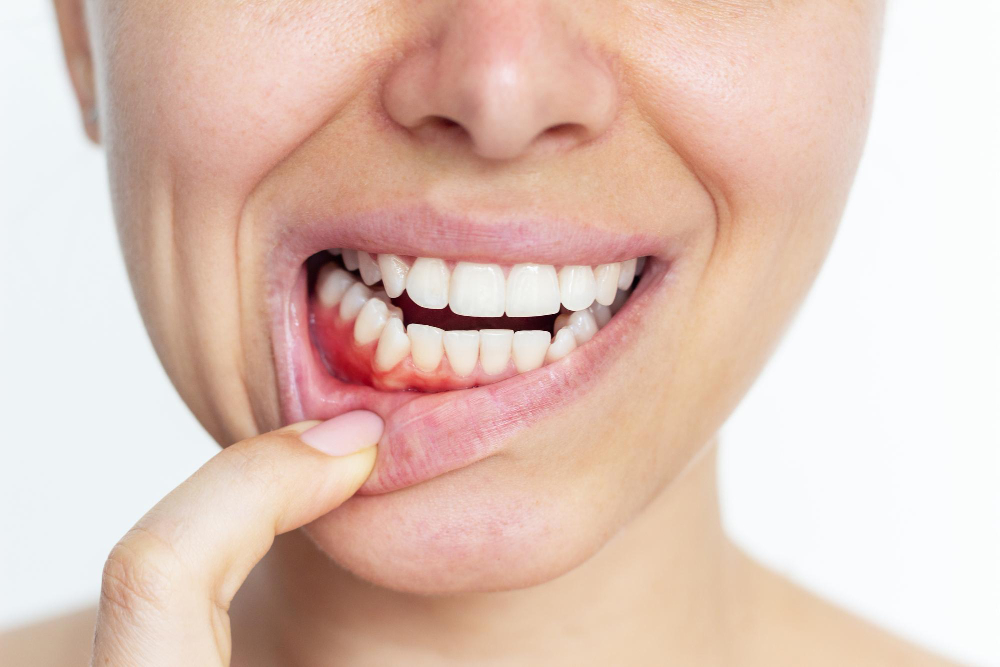
Introduction to Periodontal Diseases (Gum Diseases)
Periodontal diseases, also called gum diseases, affect the tissues that support your teeth. These tissues include your gums and the bone around your teeth. In fact, gum disease is very common. According to the CDC, almost half of adults over 30 have some form of periodontal disease. Early treatment can help prevent tooth loss and other health problems. For this reason, it is important to know the signs and how to care for your gums.
Common Symptoms
Recognizing gum disease symptoms early can help you get the right care. While some signs may be mild, others can be more serious. Watch for these common symptoms:
Red, swollen, or tender gums
Gums that bleed when you brush or floss
Bad breath that does not go away
Receding gums (gums pulling away from teeth)
Loose or shifting teeth
Pain when chewing
However, some people may not notice any symptoms at first. Therefore, regular dental check-ups are important.
Main Causes and Risk Factors
Gum diseases usually start with plaque, a sticky film of bacteria on your teeth. If you do not remove plaque by brushing and flossing, it can harden into tartar. This leads to gum irritation and infection. Besides poor oral hygiene, several factors can raise your risk:
Smoking or using tobacco
Diabetes
Hormonal changes (such as pregnancy)
Family history of gum disease
Medications that reduce saliva
Weakened immune system
In addition, stress and poor nutrition can make gum disease worse. For example, people with diabetes are more likely to get infections, including gum disease.
Diagnosis Methods
Early diagnosis helps prevent serious problems. Dentists use several methods to check for periodontal diseases:
Examining your gums for redness, swelling, or bleeding
Measuring the depth of spaces (pockets) between teeth and gums
Taking dental X-rays to check bone loss
Reviewing your medical and dental history
Because gum disease can be painless, regular dental visits are key for early detection.
Treatment Options
Periodontal disease treatment depends on how severe the problem is. For mild cases, simple steps may help. For advanced gum disease, more care is needed. Common treatments include:
Professional cleaning to remove plaque and tartar
Scaling and root planing (deep cleaning below the gum line)
Medications, such as mouth rinses or antibiotics
Surgery for severe cases (to clean infected areas or repair gums)
After treatment, good oral care at home is very important. Your dentist may also suggest more frequent check-ups. If you are looking for gum disease care in your area, ask your local dental clinic about their services.
Prevention Tips and Oral Hygiene Guidance
Preventing gum disease is possible with simple daily habits. Here are some oral health tips to keep your gums healthy:
Brush your teeth twice a day with a soft-bristled toothbrush
Use fluoride toothpaste
Floss daily to remove plaque between teeth
Rinse with an antibacterial mouthwash
Eat a balanced diet rich in vitamins and minerals
Avoid tobacco products
Visit your dentist regularly for check-ups and cleanings
Moreover, replacing your toothbrush every three to four months helps remove plaque more effectively. If you have diabetes or other health issues, managing them can also lower your risk.
When to See a Dentist
It is important to see a dentist if you notice any signs of gum disease. For example, bleeding gums or loose teeth should not be ignored. Even if you have no symptoms, regular dental visits help catch problems early. Early treatment can save your teeth and protect your overall health.
In summary, healthy gums are key to a healthy smile. Do not wait for pain or swelling to get help.
Consult a dental specialist at Wellness Kidz and Dental Clinic for personalized advice on gum disease prevention and treatment.